
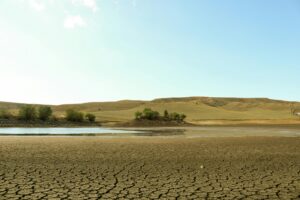

Coastal Bend Faces Growing Water Challenges
The water shortage in Corpus Christi, Texas, is becoming a growing concern for residents, businesses, and local officials as the prolonged drought continues to strain the region’s water supply. Home to the nation’s largest crude oil export hub, Corpus Christi and the surrounding Coastal Bend area now face difficult decisions about water use, long-term planning, and infrastructure investments.
Residents have already experienced the effects of water supply restrictions. Since August 2024, local restrictions have prevented homeowners from regularly watering lawns and limited activities such as washing cars, boats, and outdoor spaces. However, experts warn that current restrictions may become much stricter if drought conditions persist.
Without meaningful rainfall in the coming months, the city could enter a formal water emergency by December 2026. Such a declaration would significantly reduce residential water allowances and force households to rethink daily consumption habits.
Why Corpus Christi Is Running Out of Water
Heavy Dependence on Surface Water Sources
Corpus Christi supplies roughly 65% of the region’s water needs, serving more than 500,000 people along with large industrial facilities. The city’s water system relies heavily on rainfall and runoff collected from multiple river basins.
Most of the supply comes from three major watersheds:
- Nueces River Basin
- Lavaca-Navidad Basin
- Colorado River Basin
Water collected from these sources is stored primarily in Choke Canyon Reservoir and Lake Corpus Christi. Additional water arrives through the Mary Rhodes Pipeline and Lake Texana.
The problem is that these sources depend heavily on rainfall. Unfortunately, the Nueces Basin has been experiencing persistent drought since late 2021.
By May 2026, water levels at Choke Canyon Reservoir and Lake Corpus Christi had dropped dramatically, reaching only around 8% of their combined storage capacity. Consequently, officials increasingly shifted dependence toward the Colorado River and Lake Texana.
Although these alternate sources currently supply most of the city’s water, they are also showing signs of stress.
Industrial Expansion Is Increasing Water Demand
Economic Growth Creates Additional Pressure
At the same time, water supplies have shrunk, and industrial growth in the region has accelerated rapidly.
The Port of Corpus Christi has experienced substantial expansion over the past decade. Increased oil and natural gas activity, combined with changes in export policies, transformed the port into the country’s leading crude oil export center.
As industrial activity expanded, water-intensive petrochemical facilities moved into the Coastal Bend area. Local officials had previously projected sufficient water availability for industrial growth. However, demand increased faster than anticipated.
City planners recognized years ago that additional water sources would be necessary by 2023. Despite those projections, no major new supply system has become operational since 2016.
As a result, the city now faces mounting pressure to quickly secure alternative water resources.
Searching for New Water Solutions
Groundwater Projects Offer Short-Term Relief
Local officials have already begun reducing dependence on surface water supplies.
Deep groundwater wells near the Nueces River currently provide approximately 12 million gallons of water per day. Additionally, the city seeks approval to install new wells in the Evangeline aquifer.
If approved, the project could eventually provide up to 24 million gallons daily.
However, neighboring communities remain concerned. Many fear that increased groundwater pumping could lower aquifer levels and reduce water availability for surrounding areas. Consequently, neighboring communities have filed formal challenges against the permit requests.
Groundwater also presents another concern. Unlike surface water, underground sources are not immune to prolonged drought.
Without consistent rainfall, aquifers cannot replenish themselves effectively. Over time, falling groundwater levels would require deeper drilling and greater costs.
Reclaimed Wastewater May Help Preserve Drinking Water
Reusing Treated Water Could Ease Demand
Officials are also moving forward with water recycling efforts.
Instead of discharging treated wastewater into nearby bays and creeks, the city plans to redirect it for industrial applications such as cooling systems and irrigation.
Major industrial companies have already agreed to participate in reclaimed water programs. By using recycled water for operations that do not require drinking-quality supplies, these facilities can preserve cleaner water for residential use.
The initial project phases will deliver around 1 million gallons per day and, upon completion, increase output to roughly 16 million gallons per day.
This strategy could become an important component of long-term water management.
Desalination Remains a Possibility
Ocean Water Could Become Part of the Future Supply
Desalination has remained part of Corpus Christi’s long-term discussions for years.
Previous plans for a large-scale seawater desalination facility ultimately stalled due to rising costs, which reached approximately $1.2 billion. Nevertheless, city officials continue exploring alternatives.
One option is to purchase water from an almost-completed desalination facility operated by a local company. The plant could potentially provide approximately 8 million gallons of fresh water daily if agreements move forward.
Still, desalination creates environmental questions. Wastewater from these plants often contains concentrated minerals that could affect marine ecosystems if improperly managed.
Long-Term Planning Will Be Critical
The Corpus Christi water crisis highlights a broader challenge affecting many communities across drought-prone regions.
Climate projections suggest that future dry periods may become longer and more severe. Therefore, cities cannot depend solely on historical weather patterns when planning water systems.
For now, residents and businesses will continue operating under water restrictions while officials search for sustainable solutions. Yet long-term success will likely depend on balancing population growth, industrial expansion, environmental protection, and climate realities.
Water scarcity in Corpus Christi is no longer a future concern. It is becoming a present-day challenge that requires immediate action and careful planning.