
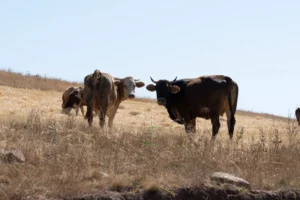

Consumers across the country are facing higher grocery bills as beef prices continue climbing to record levels. However, shoppers are not the only ones feeling the pressure. Farmers, ranchers, and meat retailers are also struggling with rising costs, shrinking cattle numbers, and long-term challenges that could keep prices elevated for years.
Industry experts say drought conditions and a historic decline in cattle populations have created a supply issue that continues to collide with strong consumer demand. Although recent rainfall in some regions has provided temporary relief, rebuilding the cattle industry remains a slow process.
Why Beef Prices Continue to Rise
Beef prices have steadily increased over the last several years, but many producers say current conditions are unlike anything they have experienced before.
The main issue comes down to supply and demand. Across the United States, persistent drought conditions have affected ranches for nearly half a decade. Dry weather has reduced grass growth and pasture quality, leaving ranchers with fewer options for feeding their livestock.
As a result, many producers had to reduce herd sizes to match available resources. Fewer cattle in the system ultimately means less beef reaching markets and grocery stores.
According to data from the U.S. Department of Agriculture, the nation’s cattle inventory has fallen to its lowest level in more than 70 years. While Texas still holds the largest cattle herd in the country, ranchers continue facing difficult conditions tied to weather and operational costs.
Drought Impacts Ranchers Across the Country
Herd Reductions Become a Necessary Choice
For ranchers, maintaining large herds during prolonged drought periods is often financially unsustainable.
Without adequate rainfall, pasturelands struggle to produce enough forage for livestock. Consequently, many ranchers have had no choice but to sell portions of their herds.
The effects have extended far beyond individual farms. Since herd reductions have happened in multiple states over several years, cattle numbers nationwide have dropped to historic lows.
Furthermore, producers are dealing with more than weather-related problems. Feed supplements, fuel, transportation, and general operating expenses have also increased significantly.
While cattle prices have reached record highs, producers say higher earnings often come with equally high expenses. For many operations, the additional revenue does not necessarily translate into larger profits.
Rising Costs Create New Challenges
Many ranchers say replacing livestock has become increasingly difficult due to today’s market conditions.
Animals that once could be replaced relatively easily now cost substantially more. In some cases, producers say selling multiple cattle may barely cover the purchase price of a single replacement animal.
This situation creates a difficult cycle. Ranchers need larger herds to increase supply, but rebuilding those herds requires considerable financial investment.
Meat Shops Adapt to Changing Buying Habits
Local meat businesses are also adjusting to shifting consumer behavior.
As beef prices continue to rise, customers appear to be changing what they buy rather than abandoning meat altogether.
Retailers report stronger demand for chicken, pork, and ground meat products as consumers look for lower-cost alternatives. Many households still want beef products, but they are becoming more selective about their purchases.
Industry observers say this pattern is common during periods of high food prices. Consumers often adapt their spending habits rather than eliminating products from their diets.
Why Relief May Still Take Years
Rebuilding the Cattle Industry Takes Time
Even if weather conditions improve, experts warn that lower prices are unlikely to happen immediately.
Unlike some agricultural sectors, which can quickly increase production, cattle operations operate on much longer timelines.
The process begins with ranchers retaining female cattle, or heifers, to rebuild breeding herds. After that, cows go through nearly a year of pregnancy before calves are born. Those calves then require additional time to grow before entering the food supply chain.
Because of this lengthy cycle, experts estimate meaningful improvements in supply could take four to five years.
Recent rainfall in some areas may improve pasture conditions and help ranchers begin rebuilding efforts. Still, recovery will likely happen gradually rather than overnight.
For now, consumers can expect beef prices to remain unpredictable as the agricultural industry navigates one of its most significant supply challenges in decades.