
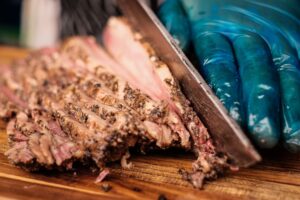

Texas barbecue restaurants are facing a difficult reality as soaring beef prices force some owners to rethink their menus. Brisket, beef ribs, and other longtime favorites have become increasingly expensive to serve, putting pressure on restaurants already dealing with higher operating and transportation costs.
For some barbecue businesses, the rising cost of beef has become too difficult to absorb. As a result, restaurant owners are choosing between raising menu prices, reducing portions, or temporarily removing popular beef dishes altogether.
Beef Prices Put Pressure on Texas Barbecue
David Page, owner of Hoegemeyer’s Barbeque Barn, said beef prices have increased by about 40 percent over the past two years.
“The beef prices have gone up … and that is a killer,” Page said.
The increase has created a serious challenge for restaurants that depend heavily on beef. Barbecue businesses often rely on brisket and ribs as signature menu items, but those products can also carry some of the highest ingredient costs.
According to Page, several factors are affecting the beef industry and making it harder for restaurants to maintain their usual menus.
“A lot of restaurants have discontinued some products just because it’s so cost-prohibitive to keep on the menu,” Page said.
For independent restaurants, the decision can be particularly difficult. Removing a signature item may disappoint customers, but keeping it available could force owners to absorb losses or increase prices.
Sinton Barbecue Restaurant Removes Brisket
The impact is already visible at local restaurants.
Butter’s Barbeque in Sinton recently announced through social media that it would no longer serve brisket, one of its staple dishes.
The decision highlights how rising food costs are changing the barbecue experience for restaurants and customers alike. Brisket has long held a central place on Texas barbecue menus, so removing it is a significant move for a business built around smoked meats.
However, restaurant owners say they must make decisions that keep their businesses financially sustainable.
Customers See the Impact
Customers are also noticing the pressure facing local barbecue businesses.
Eric Escamillo said supporting local restaurants remains important as businesses navigate higher costs.
“Very unfortunate and a reality of the situation that we’re in… we all have to find a way to continue and help others to stay in the community,” Escamillo said.
His comments reflect a broader challenge for local restaurants. Customers want to support neighborhood businesses, while those businesses must also manage prices that can change significantly from one year to the next.
Restaurant Owners Face Difficult Choices
William Paul Sissamis, owner of Silverado Smokehouse, said rising beef prices have placed restaurant operators in a difficult position.
One option is to keep expensive beef dishes on the menu and pass the higher costs on to customers. However, significant price increases could make meals less affordable and potentially change how often customers visit.
Sissamis said he would rather temporarily remove beef ribs from his menu than increase prices.
That approach lets the restaurant control costs without immediately shifting the full burden to customers. Nevertheless, removing popular items can affect customer expectations and reduce menu variety.
Diesel Costs Add More Pressure
Beef is not the only expense creating challenges for Texas barbecue restaurants. Restaurant owners also point to higher diesel prices as another factor increasing food costs.
Transportation expenses can affect ingredient prices before they even reach a restaurant. When fuel costs rise, businesses may face higher expenses throughout the supply chain, adding another layer of pressure to already expensive food products.
Consequently, barbecue restaurants must consider more than the price of beef itself when deciding what they can afford to serve.
Texas Barbecue Industry Adapts
For now, some Texas barbecue restaurants are responding by adjusting their menus rather than passing every increased cost directly to customers.
That could mean removing brisket or ribs, changing portion sizes, adjusting recipes, or waiting for market conditions to improve.
Still, the changes show how inflation and rising commodity costs can reach local restaurants and affect some of the dishes customers associate most strongly with Texas barbecue.
As beef prices remain a challenge, restaurant owners face the difficult task of protecting their businesses while keeping meals accessible to their communities. For customers, supporting local barbecue restaurants may increasingly mean understanding why a favorite dish sometimes disappears from the menu.