
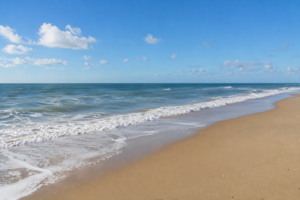

For years, unusual objects have appeared along the shores of the Texas Coastal Bend. Marine debris, ranging from small household items to massive vessels, occasionally washes up on the coastline through ocean currents and waterways. However, a recent pattern has captured the attention of beach cleanup efforts and coastal observers: floating piggy banks repeatedly washing ashore.
Marine scientist Jace Tunnell, who has spent nearly a decade documenting strange discoveries along the coast, recently noticed a surprising increase in these colorful coin banks appearing across Texas beaches. Although the repeated finds initially seemed mysterious, the explanation points to a larger environmental issue involving waste and marine pollution.
Mysterious Piggy Banks Keep Appearing Along the Coast
Over the years, Tunnell has discovered a wide variety of unusual objects while surveying coastal areas. His findings have ranged from a prosthetic leg to an entire 35-foot sailboat. Therefore, spotting unexpected items on the shoreline is nothing new.
Recently, however, one particular object has become a recurring sight.
Dozens of piggy banks have repeatedly washed ashore along the Texas Coastal Bend. In some cases, Tunnell reported finding as many as 14 in a single day.
At first glance, such a large number of identical objects washing up along the shore could easily raise questions. Some people might assume that a cargo accident at sea or the loss of a shipping container would result in the release of its contents into the ocean.
Yet according to Tunnell, the explanation is far less dramatic.
Understanding How the Piggy Banks Reach Texas Shores
Lightweight Design Makes Them Easy to Carry
Manufacturers in countries such as Guatemala and the Dominican Republic produce most of the floating piggy banks. While they may seem harmless, their design allows them to travel surprisingly long distances once they enter waterways.
Unlike many heavier materials, these piggy banks are lightweight and hollow. As a result, they float on water rather than sink.
Heavy rainfall plays a major role in the process. When people improperly dispose of waste, stormwater and runoff can carry it into drainage systems, streams, and rivers. Eventually, these waterways lead into larger bodies of water connected to ocean systems.
After entering coastal currents, the items can drift for long periods before finally reaching Texas beaches.
This process demonstrates how litter discarded far away can still impact ecosystems hundreds or even thousands of miles from its original location.
Why are many of the Piggy Banks Are Damaged?
Many of the recovered banks show visible cuts or openings.
Traditional piggy banks hold coins and help people save money over time. However, many models do not include a removable bottom opening. Instead, users often cut or break the bank to retrieve the money stored inside.
As a result, many banks along the coast already have slits or damaged areas where people previously accessed their contents.
Unfortunately, once these items lose their original purpose, they may become disposable waste rather than reused household items.
Marine Debris Continues to Challenge Coastal Communities
While floating piggy banks may seem amusing or unusual, they highlight a broader environmental concern.
Marine debris remains a persistent challenge for coastal ecosystems worldwide. Plastic products and household waste often travel through rivers and oceans before eventually accumulating along shorelines.
Even relatively small items can create environmental problems. Floating debris may affect wildlife habitats, contribute to pollution, and increase cleanup efforts in coastal communities.
In addition, repeated discoveries like these remind people that littering does not always remain local. Waste discarded in one place can ultimately impact entirely different regions.
Beach Visitors Can Help Reduce Coastal Waste
Tunnell encourages beach visitors and community members to take simple actions that reduce marine pollution.
People who encounter floating piggy banks or similar debris should properly dispose of them rather than leaving them behind. Some may even choose to keep the unusual finds as souvenirs.
However, anyone hoping to discover hidden treasure inside may end up disappointed.
The real value of these discoveries lies not in loose coins but in the reminder they provide about responsible waste disposal and the protection of coastal environments.