
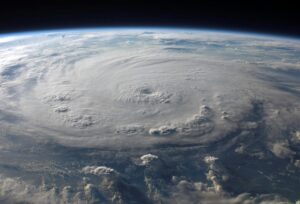

Three Systems Now Under Watch in the Atlantic
Hurricane season heats up as the National Hurricane Center (NHC) tracks three tropical systems in the Atlantic basin. These include a newly developed homegrown disturbance near the Yucatán Peninsula late on August 12 and Tropical Storm Erin, which continues to strengthen in the central Atlantic.
Erin Expected to Become a Major Hurricane
Tropical Storm Erin is forecast to intensify on Wednesday, August 13, and could become a hurricane by Thursday or Friday. Meteorologists expect it to reach major hurricane status — Category 3 or higher — by Sunday, August 17.
Meteorologists define a major hurricane as one with sustained winds of at least 111 mph.
Although Erin’s path remains uncertain, current models indicate it is unlikely to impact Texas. According to AccuWeather Senior Meteorologist Chad Merrill, “There will be a significant increase in seas, surf, and rip currents along the East Coast beaches next weekend into the following week,” even if the storm avoids U.S. landfall.
Latest Erin Details (as of Tuesday):
- Location: 1,400 miles east of the northern Leeward Islands
- Maximum Sustained Winds: 45 mph
- Movement: West at 20 mph
- Pressure: 1,004 mb
How This Season Compares to Last Year
Hurricane season heats up as the 2025 Atlantic hurricane season reaches its most active stretch. While it may seem slower than 2024 — which produced 18 named storms, including 11 hurricanes — Erin’s formation is right on schedule. Historically, the first hurricane forms around August 11, the first major hurricane by September 1, and the fifth named storm by August 22.
Colorado State University forecasters still anticipate a slightly above-average year, with 16 named storms, eight hurricanes, and three major hurricanes. For Texas, the season has remained relatively calm compared to 2024’s early surge, which brought Tropical Storm Alberto and Hurricane Beryl — the earliest-recorded storm to achieve Category 5 status.
The New ‘Homegrown’ Gulf System
While Erin dominates the headlines, attention is also on a developing system in the Gulf of America — the new official U.S. name for the Gulf of Mexico following a 2025 executive order by President Donald Trump.
This system currently has a 20% of cyclone development within the coming week, as reported by the NHC. Forecasters predict it may strengthen in the southwestern Gulf, bringing rain, flooding, and dangerous rip currents to South Texas.
What is a ‘Homegrown’ Storm?
A homegrown or homebrew system forms close to the U.S., typically in the Gulf of America, western Caribbean, or nearby Atlantic waters. These storms often develop quickly in warm, shallow waters, leaving little preparation time. While they are sometimes weaker and shorter-lived than Cape Verde storms that form off Africa, their proximity can make them more dangerous.
By contrast, Cape Verde storms — like Erin — account for about 85% of major hurricanes but often stay at sea or weaken before landfall. From 1995 to 2023, only eight Cape Verde-origin hurricanes made landfall in the U.S.
Peak Hurricane Season is Here
The Atlantic hurricane season runs June 1 to November 30, with peak activity in August and September. NOAA reports that 97% of tropical cyclones occur during this period in the Atlantic, Caribbean, and Gulf.
Preparedness is Key
Forecasters stress that now is the time for hurricane preparedness — not when a storm is already on the doorstep. NOAA offers the following guidelines:
- Develop an Evacuation Plan: Identify where you would go and how to get there if evacuation is necessary.
- Assemble Disaster Supplies: Stock enough food, water, and essentials to last for several days during and after a storm.
- Review Insurance Coverage: Ensure your policies cover storm damage. Remember, flood insurance requires a 30-day waiting period.
- Create a Family Communication Plan: Establish meeting points and contact methods in case of separation.
- Strengthen Your Home: Trim trees, install storm shutters, and seal vulnerable areas to reduce damage risk.
Bottom Line
While Texas has yet to face a direct hit this season, the peak months are just beginning. Forecasters urge Gulf and East Coast residents to stay alert as Erin strengthens and a Gulf system develops.