
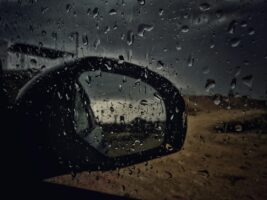

Hailstorm Leaves Trail of Destruction Across the Coastal Bend
Hailstorm kills thousands as massive chunks of ice the size of golf balls and baseballs battered the Coastal Bend on November 1, shattering windows, stripping trees, and damaging roofs across Taft, Gregory, Portland, Ingleside, Beeville, San Diego, and areas north of Baffin Bay. The storm’s powerful force tore leaves from trees and dented metal roofs—but for local wildlife, it proved catastrophic. Hailstones pummeled the birds’ roosting sites, killing or severely injuring more than 1,600 pelicans and 400 other birds, researchers reported.
A Record-Breaking Avian Tragedy
Hailstorm kills thousands, marking one of North America’s most devastating bird-mortality events in decades, researchers confirmed. Among the victims were several threatened and protected species, including the reddish egret, red knot, and piping plover.
Shamrock Island—a rookery owned by The Nature Conservancy and one of the most important bird nesting habitats in Corpus Christi Bay—suffered catastrophic losses. Although it wasn’t breeding season, countless roosting birds gathered there seeking safety from predators.
“The storm passed directly over the island’s southern stretch,” said Sonia Najera, director of landscape initiatives for The Nature Conservancy. “It’s a favorite roosting spot because of its wide sandbars. Sadly, that meant thousands of birds were caught in the hailstorm’s deadly path.”
Scientists and Rescuers Describe Heartbreaking Aftermath
The morning after the storm, a local fisherman spotted injured birds near Shamrock Island and contacted the Coastal Bend Bays & Estuaries Program. Rescuers from the University of Texas Marine Science Institute’s Amos Rehabilitation Keep (ARK) arrived to find devastation.
“We found those, and then we found hundreds more,” said Andrew Orgill, ARK’s staff supervisor. “It was one of the hardest things to witness.”
The scene was grim. Rescuers found birds with head trauma, eye injuries, and broken wings—injuries consistent with being struck by large hailstones. Orgill said many birds were beyond saving, and euthanasia was the only humane option. Rescuers took in several hundred birds for rehabilitation, hoping to release them back into the wild once recovered.
Team Effort to Save Survivors
Multiple conservation groups, including the Harte Research Institute, The Nature Conservancy, and partner agencies, assessed the damage and worked together to rescue surviving birds. “It’s a difficult time to see so many dead animals,” Najera said. “But everyone came together and rallied to do what they could.”
Orgill said ARK has already taken in 200 to 250 birds and expects to rescue more soon. “Hopefully, we’ll be able to get a lot of them back out into the wild,” he said.
Environmental Impact and Climate Change Concerns
Researchers used drones to survey the islands in the storm’s path, documenting the scale of the disaster. Dr. Dale Gawlik, endowed chair for conservation and biodiversity at the Harte Research Institute, said hailstones left pockmarks about a foot apart. “That means large birds had little chance of escaping unscathed.”
While hailstorms are not uncommon in Texas, this event raises questions about how climate change may influence their frequency and severity. “Hailstorms are rarer than rainstorms, so it’s harder to track how climate change affects them,” Gawlik explained. “But research shows that human-caused climate change allows for larger hailstones—and that’s what makes events like this so deadly for birds.”
Protecting Texas’s Rookery Islands for the Future
Hailstorm kills thousands, leaving Texas’s rookery islands—vital sanctuaries for pelicans, terns, and egrets—struggling to recover. Najera emphasized the importance of these fragile habitats, noting that this year will be especially critical for brown pelicans after one storm wiped out a large portion of their breeding population.
The breeding period usually runs from January through February, making the coming months crucial for recovery. Yet long-term threats, such as erosion and rising sea levels, continue to endanger these nesting sites.
“Our shorelines are eroding, and the landmass is shrinking,” Najera warned. “Roosting and nesting areas are becoming harder to protect. We must act now to preserve what remains before it’s too late.”
A Call for Awareness and Conservation
The devastating hailstorm serves as a stark reminder of how extreme weather events can impact wildlife in unexpected ways. Conservationists urge the public to support habitat protection, participate in citizen science programs, and report injured wildlife to local rescue organizations.
As Texas braces for future storms, the Coastal Bend’s ecological recovery will depend on continued research, collaboration, and public awareness.