

The reported disappearance and possible kidnapping of Nancy Guthrie, mother of Savannah Guthrie, has sparked renewed concern about elderly safety—especially for women in their 70s and 80s who live alone.
While investigators continue working to determine what happened, the case has reignited a broader national conversation: How safe are older adults, and what practical steps can families take right now?
According to aging statistics, more than 11 million women age 60 and older live alone in the United States. Most remain independent and self-sufficient. However, experts say vulnerabilities can emerge quickly due to isolation, health challenges, or targeted scams. The good news? Many safety measures are affordable, simple, and highly effective.
Why Elderly Safety Deserves Urgent Attention
As families reflect on the Nancy Guthrie case, law enforcement officials emphasize that proactive prevention matters more than reactive response. Older adults, particularly those living alone, may be targeted by burglars, fraudsters, or impersonation scams.
Therefore, creating layered security—both at home and in public—significantly reduces risk.
Moreover, technology has made it easier than ever to monitor and protect aging loved ones without compromising independence.
Home Security Upgrades That Make a Difference
Reinforce Entry Points
Police recommend strengthening doors and locks as a first line of defense. Consider:
- Installing solid-core or metal exterior doors
- Using 3-inch screws in strike plates and hinges
- Adding a reinforced strike plate or door jamb kit
- Upgrading to a quality single-cylinder deadbolt
- Installing a peephole or video doorbell before opening the door
Additionally, always lock doors—even during the day.
Use Cameras and Lighting Strategically
Video doorbells with two-way audio allow homeowners to verify visitors without opening the door. Exterior cameras covering driveways, entryways, and backyards further enhance visibility.
Motion-activated lighting near doors and dusk-to-dawn lights along walkways deter suspicious activity. Trimming shrubs below window height also eliminates hiding spots.
Install a Monitored Alarm System
A monitored alarm system with automatic police dispatch adds another layer of security. Experts recommend:
- Glass break sensors
- Motion detectors
- Panic buttons near the bed and the living area
Designating a “safe room” with a solid lock, a flashlight, a phone charger, and an emergency contact list can also provide added peace of mind.
Technology That Enhances Elderly Safety
Today’s technology offers discreet yet powerful protection options.
Medical Alert Systems
Devices such as medical alert systems with GPS tracking and fall detection provide immediate access to emergency services. Some platforms even match users with equipment tailored to their needs.
Smartwatches, including those with fall detection and Emergency SOS features, automatically notify contacts if a hard fall occurs.
Location Sharing and Smart Assistants
Enabling shared location settings on smartphones allows family members to monitor movement patterns safely. Additionally, voice-activated smart assistants can call emergency services when prompted.
Doorbell camera apps accessible to trusted family members also provide remote monitoring without being intrusive.
Everyday Safety Habits That Prevent Risk
While devices help, behavior remains crucial.
At Home
- Never open the door to unknown individuals.
- Independently verify service workers.
- Avoid sharing personal information over the phone.
- Establish a regular check-in schedule with family or neighbors.
- Create a “code word” for emergencies.
Importantly, keep your cell phone within reach at all times. Store emergency contacts on speed dial and enable SOS features.
Staying Safe in Public Spaces
Situational awareness remains one of the most powerful tools.
Practice Environmental Awareness
Keep your head up and scan your surroundings. Avoid burying your phone in your purse while walking. Park near entrances under bright lighting.
- Lock doors immediately after entering.
- Keep keys in hand before approaching the vehicle.
- Avoid sitting in a parked car scrolling on your phone.
Personal alarm keychains and wearable panic pendants offer non-violent deterrence options.
Defensive Tools: Know the Legal and Physical Limits
Some seniors choose to carry pepper spray or a personal stun device. However, proper training is essential. If considering a firearm, individuals must be trained, cognitively capable, and committed to secure storage practices.
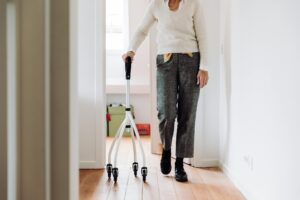
In many cases, a mobility cane can double as a practical deterrent without raising legal or safety concerns.
A Layered Approach to Elderly Safety
The Nancy Guthrie case underscores a critical reality: elderly safety requires preparation, awareness, and community involvement.
Fortunately, most protective measures are neither complex nor expensive. By combining home security upgrades, modern technology, and smart daily habits, families can significantly reduce risk while preserving independence.
Ultimately, prevention is not about fear—it’s about empowerment.