
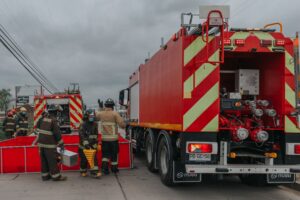

As South Texas experiences temperatures that feel more like the peak of summer than early-season conditions, firefighters in Corpus Christi are taking extra precautions to protect themselves from heat-related illnesses. One of the newest tools helping crews stay safe is hydration-monitoring technology that quickly assesses hydration levels before firefighters begin their demanding shifts.
As rising temperatures increase the risk of dehydration and heat exhaustion, the Corpus Christi Fire Department is incorporating innovative health-monitoring devices into its daily routine. The technology provides firefighters with valuable information that can help them make informed decisions about their hydration status before heading into challenging working conditions.
Hydration Technology Helps Protect Firefighters
Firefighters regularly face extreme environments, often spending long periods outdoors or responding to emergencies in intense heat. Because of these demanding conditions, maintaining proper hydration is critical for both personal health and job performance.
To address this challenge, firefighters are now using hydration monitors that deliver results in approximately 30 seconds. The process is simple and can easily be incorporated into daily shift preparations.
Each morning, firefighters place their thumb on the device, which analyzes hydration levels and generates a score ranging from 0 to 100. The reading provides an immediate snapshot of an individual’s hydration status before they begin their duties.
Department officials say a score of 85 or higher typically indicates that a firefighter is well hydrated. This benchmark serves as a target for crews as they prepare for a day that may involve physically demanding tasks in high temperatures.
Why Hydration Matters During Extreme Heat
Hydration plays a crucial role in helping the body regulate temperature and function efficiently. When individuals become dehydrated, they are more vulnerable to heat-related illnesses such as heat exhaustion and heat stroke.
For firefighters, the risks can be even greater. Heavy protective gear, strenuous physical activity, and prolonged exposure to hot environments can rapidly increase body temperature and accelerate fluid loss.
As a result, monitoring hydration levels before shifts begin can provide an early warning sign that additional fluids may be necessary. By identifying potential dehydration early, firefighters can take corrective action before symptoms develop.
Early Detection Supports Safety
The hydration monitoring devices are not intended to replace healthy hydration habits. Instead, they act as a supplemental tool that helps firefighters better understand their physical condition.
A low hydration score can prompt firefighters to increase fluid intake before responding to calls or working outdoors. This proactive approach may help reduce the likelihood of heat-related complications and improve overall safety on the job.
The technology also supports department-wide efforts to prioritize firefighter wellness. As temperatures continue to rise throughout the region, departments are increasingly exploring innovative ways to protect personnel from environmental hazards.
Heat Safety Remains the Top Priority
While hydration monitors offer useful insights, fire officials emphasize that traditional heat safety practices remain the most effective defense against heat-related illness.
Experts recommend drinking plenty of water throughout the day rather than waiting until thirst develops. Consistent fluid intake helps maintain hydration levels and supports the body’s natural cooling processes.
Additionally, firefighters are encouraged to take breaks in cool or air-conditioned environments whenever possible. Rest periods allow the body to recover from heat exposure and reduce the risk of overheating.
Technology Complements Healthy Habits
Hydration monitoring technology enhances safety while reinforcing proper hydration and heat management practices. As South Texas continues to experience elevated temperatures, departments are looking for ways to enhance preparedness and safeguard personnel. Hydration monitoring technology enhances safety while reinforcing proper hydration and heat management practices.
The goal is to keep firefighters prepared for service while reducing the risks of extreme heat. By combining technology with proven safety practices, firefighters can remain ready to respond when their communities need them most.