
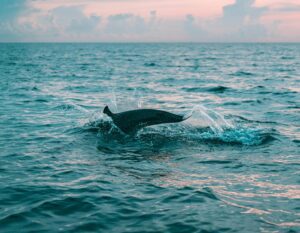

A coordinated marine rescue effort saved a stranded bottlenose dolphin trapped in shallow waters near the Lyndon B. Johnson Causeway outside Rockport earlier this month. The outcome underscores how essential coordinated efforts are to achieving a successful result public reporting, scientific monitoring, and multi-agency collaboration in protecting marine wildlife along the Texas coast.
Dolphin Trapped in Shallow Waters for Over a Week
The rescue unfolded after members of the public reported spotting a dolphin stuck in a confined body of water near the causeway on Dec. 13. According to officials, a sandbar isolated the dolphin in an approximately 20-acre area for more than a week, cutting it off from Aransas Bay.
Limited Depths Prevented Escape
Water depths in the area ranged from zero to just four feet, making it impossible for the dolphin to navigate back to open bay waters on its own. The Texas Marine Mammal Stranding Network (TMMSN) later identified the animal as a sub-adult male bottlenose dolphin.
Although experts closely monitored tides, they determined that natural conditions would not improve enough to allow the dolphin to escape safely without intervention.
Multi-Agency Team Steps In to Save Dolphin
Once the situation became clear, a coalition of organizations mobilized quickly. The rescue involved the Texas Marine Mammal Stranding Network, the National Oceanic and Atmospheric Administration (NOAA), SeaWorld of Texas, and the Amos Rehabilitation Keep.
“Time Was of the Essence”
After days of monitoring and reviewing tide forecasts, the team concluded that immediate action was necessary.
“After conducting numerous monitoring surveys and analyzing tide forecasts, it became clear that this dolphin would not be able to exit the area in the near future without human intervention,” said TMMSN Executive Director Heidi Whitehead. “Time was of the essence to ensure the animal’s health and survival.”
Because prolonged entrapment can lead to dehydration, stress, and injury, the team prioritized a safe and efficient rescue plan.
Safe Capture and On-Site Veterinary Evaluation
Using specialized techniques, responders carefully corralled and secured the dolphin to minimize stress and prevent injury. Once restrained, veterinarians conducted a complete health assessment at the scene.
Cleared for Immediate Relocation
The evaluation confirmed that the dolphin was in suitable condition for immediate relocation. Officials determined that rehabilitation was unnecessary, allowing the animal to be returned directly to its natural habitat.
To transport the dolphin safely, the team used a specialized floating platform designed for marine mammal rescues.
Dolphin Released Back Into Aransas Bay
Following the successful transport, rescuers released the dolphin into the deeper waters of Aransas Bay. The animal swam off under observation, marking the end of a carefully coordinated operation.
Community and Conservation Success
“This successful rescue shows what is possible when organizations and communities come together for marine wildlife,” Whitehead said.
Public awareness played a key role in the outcome. Without early reports from residents, the dolphin’s condition could have worsened significantly before responders were alerted.
Dolphin Rescues Require Extensive Resources
While the rescue ended on a positive note, officials emphasized that such operations are far from simple. Dolphin rescues require trained personnel, boats, veterinary expertise, specialized equipment, and extensive coordination among agencies.
Limited Response Capacity in South Texas
According to TMMSN, response capacity in South Texas remains limited, making each rescue a strain on available resources.
“Each operation stretches our resources,” Whitehead explained. “Continued community support helps ensure that when the next dolphin needs help, we can be there.”
The organization relies on public funding, volunteers, and partnerships to respond effectively to marine mammal emergencies across the region.
How to Report a Stranded Dolphin in Texas
Officials urge residents and visitors to remain vigilant along the coast. Early reporting can mean the difference between life and death for stranded marine animals.
Anyone who encounters a stranded, injured, or displaced dolphin—or any marine mammal that appears out of its natural habitat—should immediately contact the Texas Marine Mammal Stranding Network at 1-800-9MAMMAL (1-800-962-6625).