
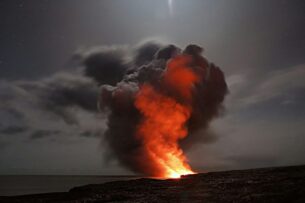

Trump Orders Iran Strikes in a dramatic escalation of global conflict, targeting three major nuclear facilities—Fordow, Natanz, and Isfahan—after midnight on June 22, effectively drawing the United States into Israel’s war with Iran.
“Trump announced in a live address that U.S. forces had completely obliterated these facilities.” “If Iran refuses diplomacy, further action will follow.”
The airstrikes reportedly involved bunker-busting bombs dropped from B-2 stealth bombers and Tomahawk cruise missiles launched from submarines. Officials reported no U.S. casualties.
Tehran Responds With Defiance and Threats of Retaliation
Iran’s Foreign Minister Abbas Araghchi condemned the strikes, calling them “outrageous” and warning of “everlasting consequences.”
“The Islamic Republic reserves all options to defend its sovereignty,” Araghchi posted on X, urging the United Nations to act against what he called criminal aggression.
Meanwhile, in the early hours following the U.S. strikes, Israel reported another wave of Iranian missile launches. Explosions rocked Tel Aviv and Jerusalem, injuring at least 86 people and damaging civilian infrastructure.
International Fallout: Risk of War Grows
The strikes have prompted concerns about nuclear fallout. While the International Atomic Energy Agency (IAEA) confirmed no off-site radiation spikes, experts noted that the Isfahan facility posed a “moderate risk.”
Pentagon officials confirmed the use of GBU-57 “bunker buster” bombs in the Fordow attack — a first in combat. Only B-2 bombers, launched from Missouri’s Whiteman Air Force Base, can carry the massive ordnance.
Political Firestorm in Washington
Back in the U.S., Trump’s decision ignited a storm in Congress. Progressive Democrats and conservative Republicans alike decried the move as unconstitutional.
Rep. Alexandria Ocasio-Cortez called it a “grave violation” of the War Powers Act, stating the unauthorized action was grounds for impeachment. Rep. Thomas Massie, a Republican from Kentucky, echoed the concern: “This is not constitutional.”
However, some lawmakers, including Democratic Sen. John Fetterman, defended Trump’s actions, citing Iran’s support for terrorism. “Iran cannot have nuclear capabilities,” Fetterman said.
Muslim Advocates, Global Leaders Condemn U.S. Action
The Council on American-Islamic Relations (CAIR) delivered a sharply critical statement, accusing Trump of launching an “illegal and unjustified war” under Israeli pressure.
“This reckless act mimics the lies that led to Iraq,” said CAIR Director Nihad Awad. “We must prevent another generation from entering an unnecessary war.”
Israeli Prime Minister Benjamin Netanyahu praised Trump, calling the strikes “a historic act of courage” that could lead to “prosperity and peace” in the region.
Can Iran Retaliate? Experts Say Yes
Trump Orders Iran Strikes, and now former intelligence officials warn that Iran’s retaliation could extend well beyond conventional warfare. In addition to direct military responses, Iran may resort to cyberattacks, blockades of vital oil routes, and coordinated strikes through proxy militias—tactics it has used in the past to destabilize regional and global security.
Moreover, Andrew Borene, a former U.S. counterterrorism official, emphasized the broader threat: “Iran’s shadow war tactics have always been global,” he said. “As a result, terror alerts in major Western cities must remain elevated.”
With roughly 40,000 U.S. troops stationed in the Gulf, the region remains on high alert. Trump warned on Truth Social that if Iran retaliates, the American response would be “far greater.”
Escalation Risks and Public Reaction
Law enforcement in Washington and New York quickly increased security at religious sites. Although authorities have not identified specific threats, they prepare for possible domestic fallout.
Meanwhile, the State Department began evacuating American citizens from Israel and the West Bank. Ambassador Mike Huckabee confirmed the action via social media.
Trump concluded his national address by warning Iran once again: “If peace does not come quickly, we will eliminate the remaining targets in minutes.”
How It All Began: Escalation After Israeli Strikes
The conflict quickly escalated after Israeli airstrikes targeted Iranian facilities. In response, Iran launched missile attacks on Israeli cities. Consequently, Trump—who had previously withdrawn the U.S. from the Iran nuclear agreement during his initial term—appeared poised to intervene.
The U.S. strikes mark a dramatic re-entry into Middle East conflict, with global leaders watching anxiously. Whether peace or further tragedy unfolds now depends on Tehran’s next move — and Washington’s response.
Keep following for the latest developments as this story evolves. with potential global consequences.