
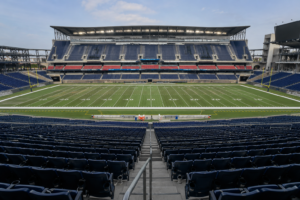

The future of Houston’s historic sports landscape has become a major talking point as political leaders discuss what comes next for two iconic venues: the Astrodome and Reliant Park. While election campaigns typically focus on taxes, public safety, and infrastructure, this year’s Harris County Judge race unexpectedly placed sports facilities and stadium development at the center of public discussion.
Former Houston Mayor Annise Parker and former Houston City Council member Letitia Plummer recently shared sharply different views about preserving the Astrodome and shaping the future of the surrounding sports complex. Their comments highlighted larger questions surrounding sports economics, urban development, and long-term investment.
Astrodome Preservation Remains a Major Issue
Known for decades as the “Eighth Wonder of the World,” the Astrodome still carries enormous historical value. Even after years without a clear purpose, the stadium remains one of Houston’s most recognizable sports landmarks.
Parker strongly supported preserving the structure and argued that simply leaving it untouched would not solve the problem.
During a public discussion, she suggested that private-sector investment could potentially create a path forward. She even mentioned the possibility of casino development serving as a financial solution if Texas gambling laws ever change.
The idea immediately generated attention because it combines sports history with entertainment and large-scale commercial investment. Although no formal proposal exists, the concept reflects a growing conversation about how aging stadiums can evolve into multi-purpose entertainment destinations.
Across the sports industry, developers have transformed many older venues into mixed-use developments featuring retail spaces, restaurants, hotels, and entertainment attractions.
However, turning concepts into reality is rarely simple.
High Renovation Costs Create Challenges
Funding Questions Surround Astrodome Plans
Cost remains one of the biggest obstacles in any discussion of Astrodome redevelopment.
Architectural estimates suggest that restoring or renovating the historic structure could exceed $750 million. That price tag raises difficult questions about priorities and funding sources.
Plummer made her position clear by expressing concerns about the burden such a large project would place on public resources.
She emphasized that Harris County also faces significant responsibilities, including community programs, infrastructure improvements, and disaster preparedness.
As a result, she argued that large-scale sports redevelopment projects would likely require substantial private investment rather than taxpayer dollars.
That position reflects a broader debate happening throughout professional sports. Communities often struggle to balance preserving iconic venues while addressing everyday public needs.
Sports fans may appreciate historic stadiums, but local governments also must evaluate financial sustainability.
Reliant Park Faces Important Changes
While the Astrodome attracted much of the attention, the future of Reliant Park generated equally important discussions.
The Houston Texans recently announced plans to relocate their headquarters and training operations to the new Toro District development. The project will reportedly feature modern facilities, including training areas, recovery spaces, practice fields, and additional football operations resources.
For sports organizations, these developments represent an increasingly common trend. Teams want centralized campuses that combine business operations, player development, and fan experiences in one location.
However, Parker raised concerns about what the move could mean for the existing Reliant Park area.
Development Around the Stadium Complex
According to Parker, the surrounding area never fully developed into a complete entertainment district despite hosting major sports events and large crowds.
She questioned the lack of nearby hotels, restaurants, and attractions that typically surround major sports facilities.
In many successful sports markets, stadium districts function as year-round destinations rather than just game-day venues. Fans often spend additional time and money before and after events, helping support surrounding businesses.
The Texans’ planned move could potentially shift future investment priorities away from Reliant Park and toward the new district.
Still, the relocation may also create opportunities.
Parker suggested that moving team offices and training operations away from NRG Stadium could create greater flexibility for future renovations and facility use.
Sports Contracts Could Shape the Future
Another key issue concerns the relationships among major tenants within the sports complex.
The Texans and Rodeo organizations remain major users of the facilities, and their scheduling arrangements significantly influence future planning opportunities.
Current agreements reportedly divide facility usage over different parts of the year. That arrangement can complicate long-term upgrades because changes benefiting one organization may not always align with another group’s interests.
Future contract discussions could become critical in determining how the stadium complex evolves.
As negotiations continue over the coming years, decision-makers will likely explore ways to create more adaptable agreements that enable modernization while protecting the interests of all parties.
The Bigger Picture for Houston Sports
Ultimately, discussions surrounding the Astrodome and Reliant Park involve more than preserving old buildings.
They represent broader questions about sports identity, economic growth, and how cities reinvent historic spaces for future generations.
Whether through private investment, redevelopment projects, or entirely new ideas, the decisions made over the next several years could reshape Houston’s sports landscape for decades.
The future of Houston’s historic sports landscape has become a major talking point as political leaders discuss what comes next for two iconic venues: the Astrodome and Reliant Park. While election campaigns typically focus on taxes, public safety, and infrastructure, this year’s Harris County Judge race unexpectedly placed sports facilities and stadium development at the center of public discussion.
Former Houston Mayor Annise Parker and former Houston City Council member Letitia Plummer recently shared sharply different views about preserving the Astrodome and shaping the future of the surrounding sports complex. Their comments highlighted larger questions surrounding sports economics, urban development, and long-term investment.
Astrodome Preservation Remains a Major Issue
Known for decades as the “Eighth Wonder of the World,” the Astrodome still carries enormous historical value. Even after years without a clear purpose, the stadium remains one of Houston’s most recognizable sports landmarks.
Parker strongly supported preserving the structure and argued that simply leaving it untouched would not solve the problem.
During a public discussion, she suggested that private-sector investment could potentially create a path forward. She even mentioned the possibility of casino development serving as a financial solution if Texas gambling laws ever change.
The idea immediately generated attention because it combines sports history with entertainment and large-scale commercial investment. Although no formal proposal exists, the concept reflects a growing conversation about how aging stadiums can evolve into multi-purpose entertainment destinations.
Across the sports industry, developers have transformed many older venues into mixed-use destinations featuring retail spaces, restaurants, hotels, and entertainment attractions.
However, turning concepts into reality is rarely simple.
High Renovation Costs Create Challenges
Funding Questions Surround Astrodome Plans
Cost remains one of the biggest obstacles in any discussion of Astrodome redevelopment.
Architectural estimates suggest that restoring or renovating the historic structure could exceed $750 million. That price tag raises difficult questions about priorities and funding sources.
Plummer made her position clear by expressing concerns about the burden such a large project would place on public resources.
She emphasized that Harris County also faces significant responsibilities, including community programs, infrastructure improvements, and disaster preparedness.
As a result, she argued that large-scale sports redevelopment projects would likely require substantial private investment rather than taxpayer dollars.
That position reflects a broader debate happening throughout professional sports. Communities often struggle to balance preserving iconic venues while addressing everyday public needs.
Sports fans may appreciate historic stadiums, but local governments also must evaluate financial sustainability.
Reliant Park Faces Important Changes
While the Astrodome attracted much of the attention, the future of Reliant Park generated equally important discussions.
The Houston Texans recently announced plans to relocate their headquarters and training operations to the new Toro District development. The project will reportedly feature modern facilities, including training areas, recovery spaces, practice fields, and additional football operations resources.
For sports organizations, these developments represent an increasingly common trend. Teams want centralized campuses that combine business operations, player development, and fan experiences in one location.
However, Parker raised concerns about what the move could mean for the existing Reliant Park area.
Development Around the Stadium Complex
According to Parker, the surrounding area never fully developed into a complete entertainment district despite hosting major sports events and large crowds.
She questioned the lack of nearby hotels, restaurants, and attractions that typically surround major sports facilities.
In many successful sports markets, stadium districts function as year-round destinations rather than just game-day venues. Fans often spend additional time and money before and after events, helping support surrounding businesses.
The Texans’ planned move could potentially shift future investment priorities away from Reliant Park and toward the new district.
Still, the relocation may also create opportunities.
Parker suggested that moving team offices and training operations away from NRG Stadium could create greater flexibility for future renovations and facility use.
Sports Contracts Could Shape the Future
Another key issue concerns the relationships among major tenants within the sports complex.
The Texans and Rodeo organizations remain major users of the facilities, and their scheduling arrangements significantly influence future planning opportunities.
Current agreements reportedly divide facility usage over different parts of the year. That arrangement can complicate long-term upgrades because changes benefiting one organization may not always align with another group’s interests.
Future contract discussions could become critical in determining how the stadium complex evolves.
As negotiations continue over the coming years, decision-makers will likely explore ways to create more adaptable agreements that enable modernization while protecting the interests of all parties.
The Bigger Picture for Houston Sports
Ultimately, discussions surrounding the Astrodome and Reliant Park involve more than preserving old buildings.
They represent broader questions about sports identity, economic growth, and how cities reinvent historic spaces for future generations.
Whether through private investment, redevelopment projects, or entirely new ideas, the decisions made over the next several years could reshape Houston’s sports landscape for decades.