
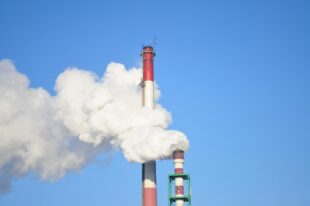

Environmental Report Flags Texas LNG Facilities for High Emissions
Cheniere Energy pollution has drawn renewed scrutiny as the company’s liquefied natural gas (LNG) operations in Gregory, Texas, rank among the nation’s highest emitters. According to a new report from the Environmental Integrity Project (EIP) titled “Terminal Trouble: Pollution Violations at America’s LNG Export Terminals,” Cheniere’s Corpus Christi Liquefaction site is listed as the second-most polluting LNG terminal in the United States, based on federal and state emissions data.
The report’s findings have intensified concerns over air quality, regulatory compliance, and the long-term health effects on nearby communities, especially as the LNG industry continues to expand along the Gulf Coast.
Corpus Christi Site Among Top Emitters
According to the report, Cheniere Energy pollution from the company’s Gregory terminal reached significant levels in 2023, with 3.3 million tons of greenhouse gases and 2,945 tons of harmful air pollutants released into the atmosphere. The Environmental Integrity Project cited Clean Air Act violations, revealing the facility’s growing footprint and alarming advocates.
Cheniere Energy spokesman Bernardo Fallas said on October 30 the company remains committed to safe, responsible operations.” He said Cheniere Energy pollution controls follow strict oversight, minimizing emissions and meeting all reporting standards.
Inside Cheniere’s LNG Operations
The Corpus Christi Liquefaction facility, located on more than 1,000 acres in Gregory, includes three storage tanks and six operational liquefaction trains — massive units that transform natural gas into a liquid state for export. Each storage tank has a capacity of 160,000 cubic meters of LNG, roughly enough space to fit a Boeing 747 aircraft.
The site, valued at approximately $17 billion as of 2022, represents one of the most significant energy infrastructure projects in the Coastal Bend. However, records show that the facility has reported nearly 60 emissions incidents between 2018 and mid-2025, often related to operational upsets that trigger unauthorized pollutant releases and flaring events.
Permit Adjustments and Emission Increases
The EIP report criticizes state regulators for adjusting pollution permits rather than imposing stricter penalties. In some cases, the report claims, permit limits were raised, effectively allowing higher emissions. For Cheniere’s Gregory terminal, those revisions increased greenhouse gas allowances by 2.1 million tons annually, while air pollutant limits rose by 60 percent compared to the original permit.
These findings have reignited debate over regulatory oversight and corporate accountability in the rapidly growing LNG export industry.
Expansion and Future Plans
Cheniere Energy is currently expanding the Corpus Christi site with plans to add seven new liquefaction trains. Once completed, these additions could increase LNG production capacity by 5 million tons per year.
According to Fallas, construction is “ahead of schedule and on budget.”
“We’ve achieved substantial completion of Train 3, with Train 4 close behind,” he said. “The remaining trains are expected to be operational by 2026.”
Supporters argue that the expansion strengthens U.S. energy independence and boosts global gas supply. Environmental advocates warn that growth increases carbon emissions, further straining the region’s air quality and ecosystems.
Other LNG Terminals Also Under Fire
Behind Cheniere’s Corpus Christi site, the EIP ranked Venture Global’s Calcasieu Pass LNG and Cameron LNG in Louisiana as other major emitters. Venture Global spokesperson Jess Szymanski stated the company fully complies with state and federal environmental regulations.
Meanwhile, the Center for Liquefied Natural Gas (CLNG) disputed EIP’s claims altogether. CLNG Executive Director Charlie Riedl stated that the U.S. LNG industry “operates under stringent oversight” and provides significant benefits to national security and the economy.
“A decade of real-world data shows LNG exports benefit the American people and do not raise domestic prices,” Riedl said.
Balancing Growth and Accountability
The EIP report urges regulators to tighten environmental oversight rather than fast-track permits for new LNG projects. Executive Director Jen Duggan emphasized that “regulators should be slowing down and carefully scrutinizing new applications instead of expediting reviews.”
As global demand for LNG rises, Cheniere Energy faces growing pressure to balance economic development with environmental responsibility. The company claims full compliance with environmental laws, but advocates demand more vigorous enforcement and greater transparency.
Conclusion
The Cheniere Energy pollution debate highlights a growing tension between energy expansion and environmental sustainability. As Texas remains an LNG hub, questions persist on how Cheniere can advance without harming the environment.
Only time — and stricter accountability — will tell.